
1.SPECIFICATIONS
Part No.: IS200VSVOH1BDB
Manufacturer: General Electric
Country of Manufacture: United States of America (USA)
Size: 17.8 cm high x 33.02 cm wide
Technology: Surface mount
Product Type: Exciter DC Feedback Board
Availability: In Stock
Series: EX2100
2.Functional Description
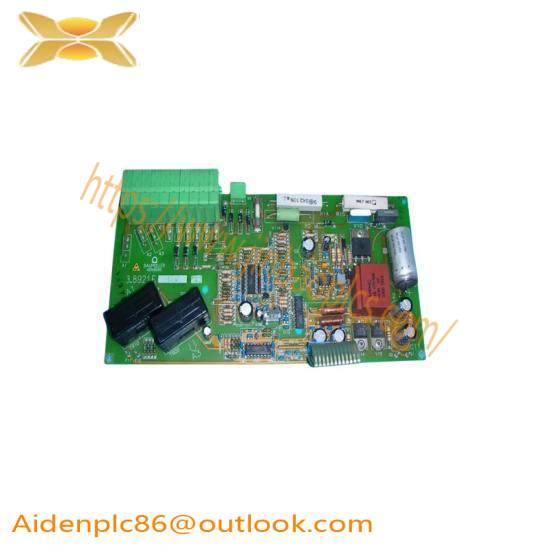
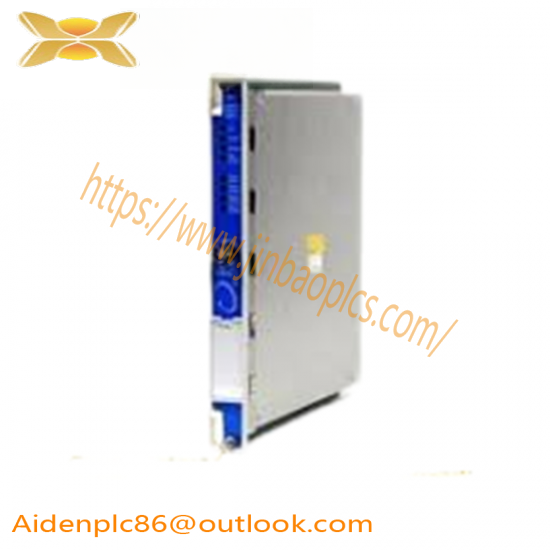
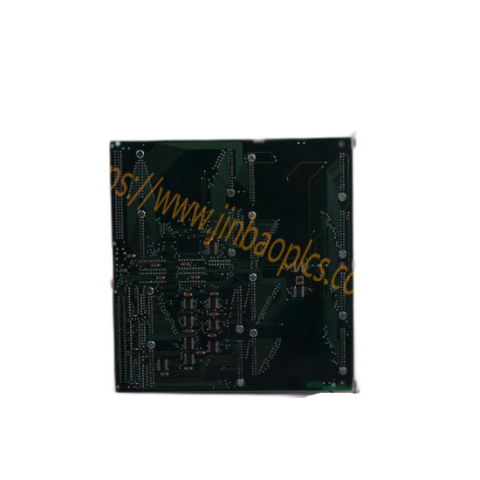
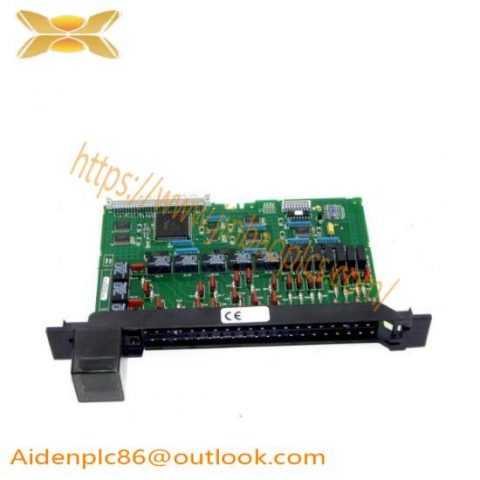
IS200VSVOH1BDB is an Exciter DC Feedback Board developed by GE. It is a part of the EX2100 control system. The board performs precise measurements of field current and voltage at the SCR bridge, critical parameters for excitation control systems. Utilizing a high-speed fiber-optic link, the board establishes communication with the EISB board in the control panel, ensuring rapid and reliable data transmission.
3.Features
Voltage Isolation: One of the standout features of the Exciter DC Feedback Board is its voltage isolation provided by the fiber-optic link between the board and the EISB (Exciter Interface and Status Board). This isolation is crucial in protecting sensitive components from high voltages, preventing electrical interference, and ensuring the overall integrity of the control system. By effectively isolating the control system from any external electrical noise or surges, the board helps maintain safe and reliable operation within the excitation control system.
Noise Immunity: The fiber-optic communication ensures superior noise immunity, making it highly effective in environments with significant electromagnetic interference (EMI). Fiber-optic cables are immune to electrical and magnetic disturbances, ensuring that the transmission of data, such as field current and voltage measurements, remains accurate even in the presence of external noise. This feature is critical for maintaining reliable system performance in harsh industrial environments where EMI is common.
Fiber Types: The board supports two types of fiber-optic cables to cater to varying installation distances and requirements.
Plastic Type Fiber: This fiber is suitable for distances of up to 10 meters, making it ideal for shorter installation runs.
Hard-Clad Silica-Type Fiber: For longer distances, the hard-clad silica-type fiber is ideal, supporting distances of up to 90 meters. This ensures that the communication link remains reliable even over extended distances within the control system.
Both fiber types are designed with a minimum bending radius of 1.5 inches, which helps ensure proper cable handling and installation without damaging the fibers, thereby maintaining the integrity of the signal transmission.
Signal Transmission: Each critical signal, including field current and voltage, is transmitted over a dedicated fiber-optic cable. This dedicated signal path helps to optimize signal integrity, reducing the risk of crosstalk or interference between the various signals. With this approach, the accuracy and reliability of the measurements are preserved, which is essential for proper control and regulation of the excitation system.
Installation Flexibility: The availability of two fiber types offers installation flexibility, allowing the board to be configured to meet the specific needs of the application. Whether the installation requires short-distance connections or long-distance communication, the use of either plastic or hard-clad silica fiber ensures that the setup can be customized for optimal performance. This flexibility simplifies the installation process, reduces the need for additional components, and enhances the overall system’s adaptability in varying operational environments.
4.Power Supply
Within the board, three voltage regulators are employed to convert the incoming 24 V dc supply into three distinct voltage levels: +15 V dc, -15 V dc, and +5 V dc.
The voltage regulators ensure stable and precise outputs, providing the necessary voltage levels required for the proper functioning of the EDCF board and associated components.
A green LED labeled PSOK (Power Supply OK) is integrated. This LED is illuminated when the 15 V dc output voltages from the voltage regulators are within the specified range, indicating that the power supply is functioning correctly.
The PSOK LED serves as a visual indicator of the operational status of the power supply, providing immediate feedback on the health of the voltage regulation system.
By monitoring the illumination of the PSOK LED, operators can quickly assess the integrity of the power supply and identify any potential issues with voltage regulation. This facilitates prompt troubleshooting and maintenance actions, minimizing downtime and ensuring continuous operation of the system.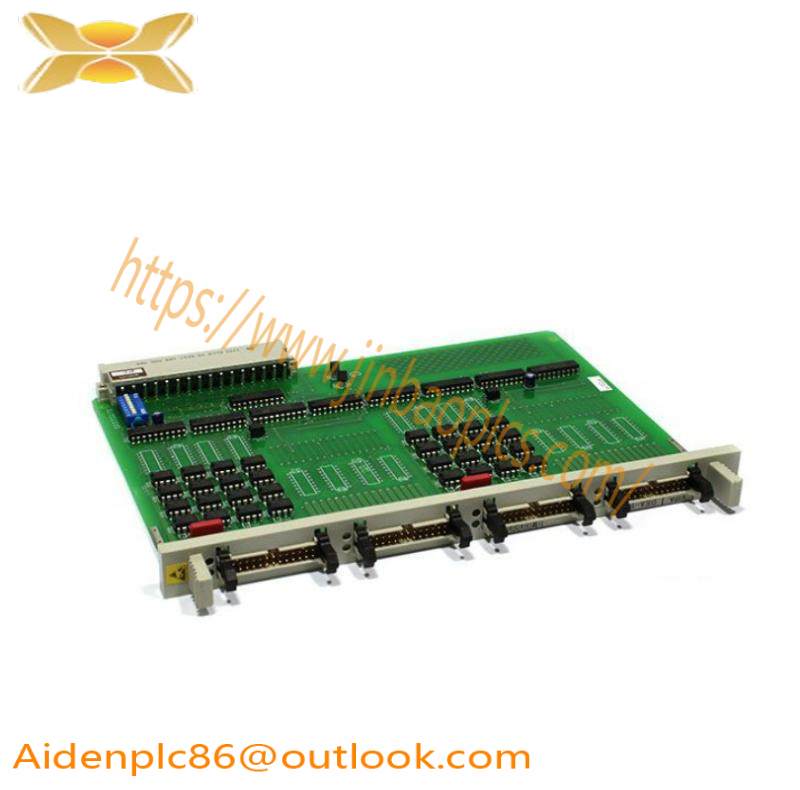
5.Connectors
Power Input Connector (J16): The Power Input Connector (J16) on the Exciter DC Feedback Board plays a crucial role in providing a stable 24 V dc power supply to the board. This power input ensures the continuous and reliable operation of the board, enabling it to perform its key functionalities, including the precise measurement of field current and voltage. A secure power connection is essential for the system to function without interruptions, ensuring stable and accurate feedback data transmission to the control unit.
Voltage Across Field Current Shunt (P1): Connector P1 is dedicated to receiving the voltage measurement across the field current shunt resistance. This connection is pivotal for monitoring the field’s current levels, which are crucial for maintaining proper excitation control. By measuring the voltage drop across the shunt, the board can accurately determine the field current, allowing for precise regulation and adjustment of the excitation system to optimize generator performance.
Field Voltage Input (E1): The Field Voltage Input (E1) utilizes a stab-on connection mechanism, providing a secure, reliable interface for connecting the field voltage signal to the board. This connection ensures that the field voltage—a critical parameter for controlling the exciter and generator output is transmitted accurately to the board for processing. The stab-on connector enhances ease of installation and ensures a firm, stable connection for consistent performance.
Feedback Connections: The feedback connections on the board play a vital role in transmitting current and voltage readings to the control system. These feedback signals are sent via fiber-optic connectors, which offer several benefits, including high-speed communication, immunity to external noise, and low signal degradation. The fiber-optic link ensures that feedback data, such as the measurements of field current and voltage, is transmitted quickly and accurately to the control unit, enhancing the overall responsiveness and performance of the excitation system.
Fiber-Optic Connectivity: The integration of fiber-optic connectivity for feedback signals is one of the key features of the Feedback Board. This advanced technology offers numerous advantages, including immunity to electromagnetic interference (EMI), high noise tolerance, and the ability to maintain secure data transmission over long distances without loss of integrity. Fiber-optic connections are ideal for environments with high electrical noise, ensuring that critical data such as field current and voltage measurements are transmitted reliably and without distortion. This high-performance communication link ensures accurate feedback, which is essential for the proper functioning and control of the excitation system.
The WOC team is always available to help you with your EX2100 requirements. For more information, please contact WOC.
6.Frequently Asked Questions
What is IS200VSVOH1BDB?
It is an Exciter DC Feedback Board developed by GE under the EX2100 series.
How is the field voltage scaled in the feedback circuit?
The field voltage feedback circuit provides seven selector settings to scale down the bridge voltage based on the specific bridge application.
What does the field voltage measurement involve?
Field voltage is measured across the negative terminal of the bridge and the positive terminal of the current shunt, followed by scaling with jumpered resistors.
How is field current measured?
Field current is measured across a DC shunt at the SCR bridge, generating a low-level signal (up to 500 mV) input to a differential amplifier.
There are no reviews yet.