
I. Product Specifications
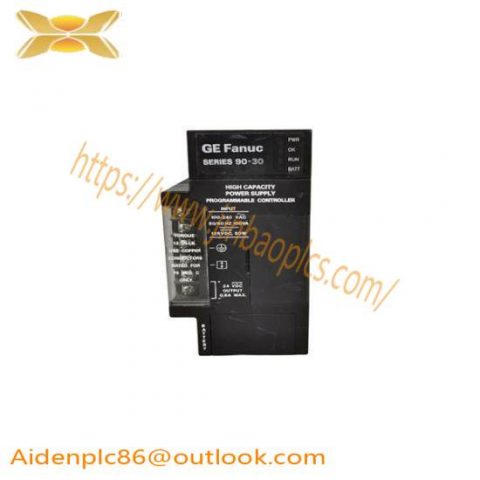
Brand: GE Fanuc
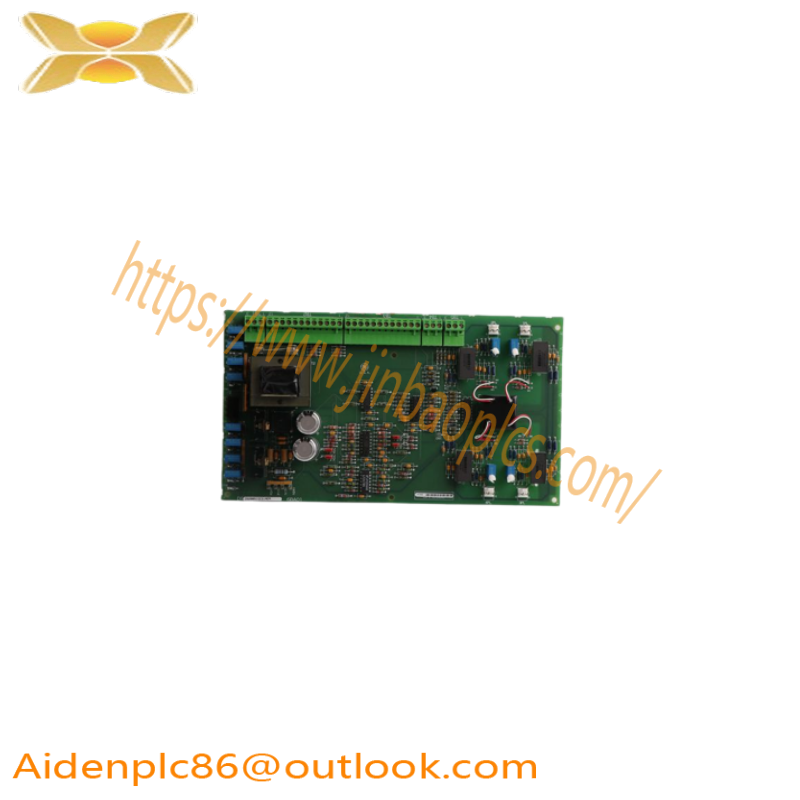
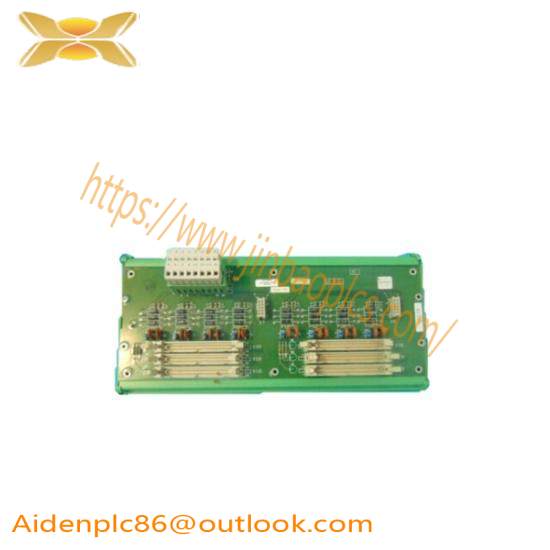
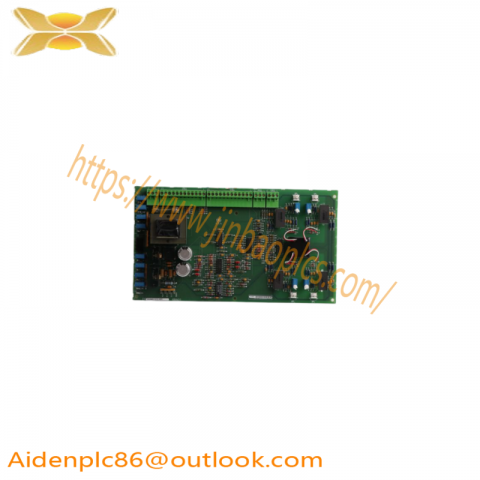
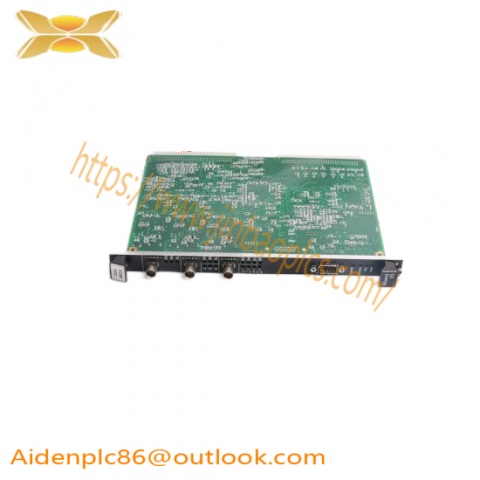
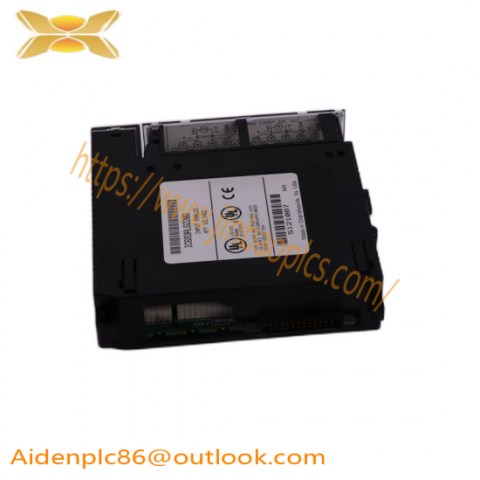
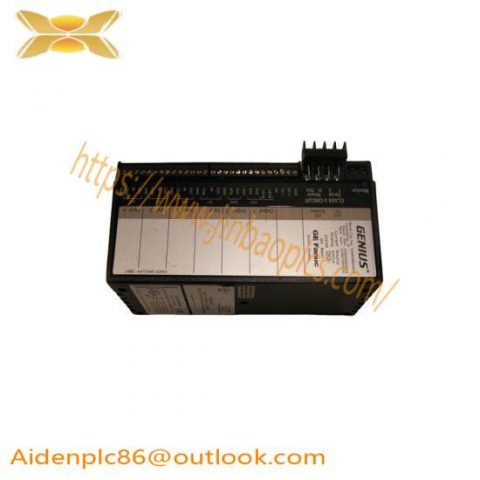
Type: IS200XDIAG1ADD
Product Type: Analog Input Module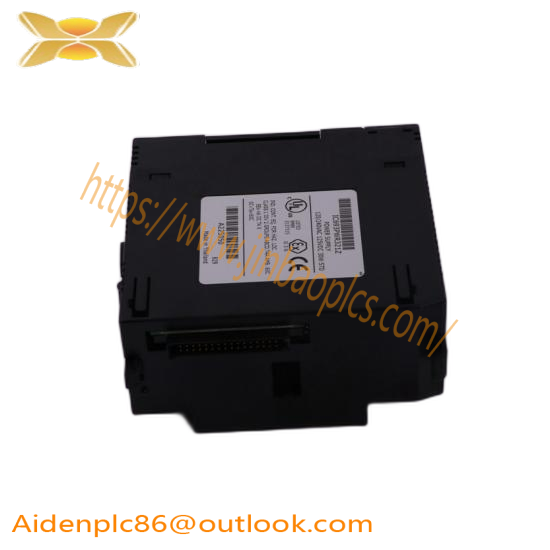
Compatible System: GE Speedtronic Mark VIe Engine Control System
Power Supply: 28VDC power supply from the cabinet back panel, no external power supply required
Supported Signals: ±10V voltage, ±40mA standard industrial analog signal
Operating Environment: -40℃ ~ +70℃, humidity 5%~95% RH non-condensing, industrial EMC anti-interference
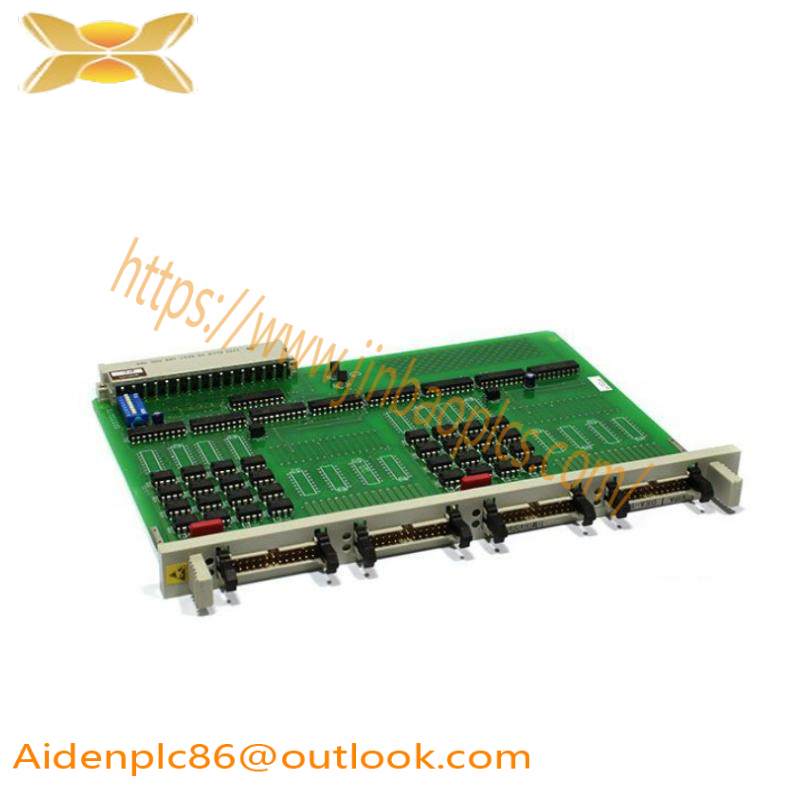
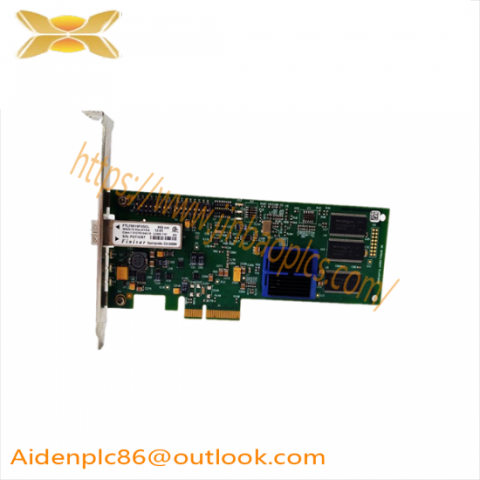
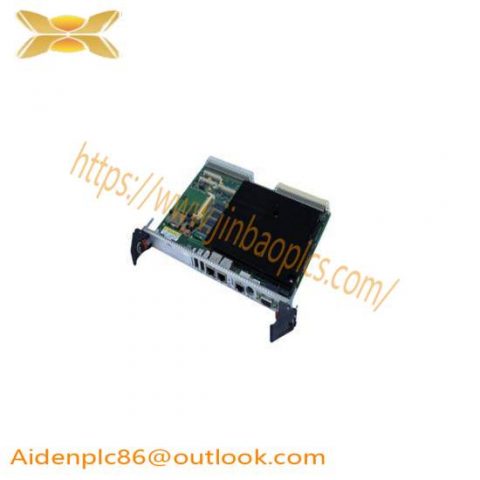
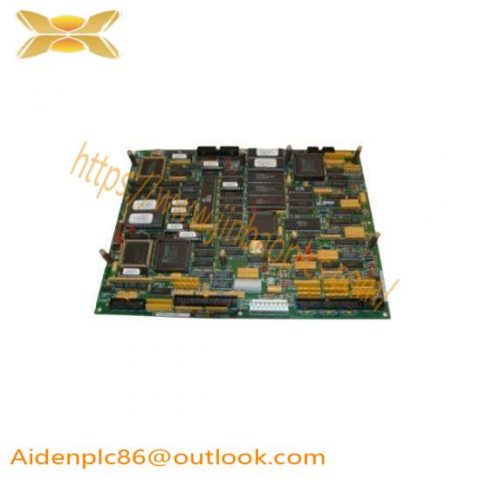
Hardware Form: Standard VME slot pluggable board, gross weight 2720g, with LED status indicator
Protection Function: 1500VAC isolation between channels, dustproof and shockproof metal casing
Warranty: 12 months, redundant architecture supports online hot-swappable replacement
II. Product Overview
The GE Fanuc IS200XDIAG1ADD is designed for use with the GE Speedtronic Mark VIe engine control system. This dedicated analog input module for the turbine control system, originally manufactured in the USA, is a core I/O collection hardware component for power plant gas turbine and steam turbine control cabinets. The module collects various analog sensor signals such as valve responses, temperature, and pressure from the field, performs analog-to-digital conversion, and uploads the real-time data to the system’s safety controller. This provides precise data support for unit closed-loop control and safety interlock maintenance. Available now, the entire unit comes with a 12-month standard warranty.
III. Functional Features
- General Signal Acquisition: Compatible with ±10V voltage and ±40mA mainstream industrial analog signals, covering the acquisition needs of turbine valve positions, process temperature, and pressure in all scenarios;
- Strong Isolation and Anti-Interference: 1500VAC high-voltage isolation between channels, coupled with industrial-grade EMC design, avoids electromagnetic interference from frequency converters and high-voltage equipment, ensuring stable signal acquisition without drift;
- Low-Latency Real-Time Transmission: Data interaction is completed via the high-speed bus on the cabinet backplane, with millisecond-level response, matching the turbine’s real-time closed-loop control timing;
- Built-in Self-Diagnostic Function: Automatically detects channel open circuits, short circuits, and power supply anomalies, and quickly locates fault points with onboard LED indicators;
- Stable Operation Under Wide Operating Conditions: Ultra-wide temperature adaptability from -40℃ to +70℃, allowing continuous operation in the high-temperature and humid cabinet environment of power plants for extended periods;
- Fast Online Maintenance: Dual redundancy and TMR triple redundancy systems support hot-swappable replacement without shutdown, automatically restoring signal acquisition after replacement without affecting unit operation.
- IV. Applications and Operation
Application Scenarios
Thermal Power Plants/Combined Cycle Power Plants: Gas turbine and steam turbine valve position responses, temperature, pressure, and process parameter collection;
Oil and Gas Refining Plants: Simulated quantity monitoring of turbine compressor units, safety interlock signal collection;
Industrial Self-Supplied Power Stations: Simulated signal collection for generator auxiliary control systems.
Basic Operation
- Installation: Align the Mark VIe cabinet with the standard VME slot and push it in. The backplane automatically completes power supply and bus communication integration;
- Debugging: The engineering workstation can identify modules online and configure signal ranges, over/under alarm thresholds;
- Maintenance: In redundant architectures, faulty modules can be directly removed and replaced with new modules. The system automatically synchronizes and collects data;
- Troubleshooting: Quickly troubleshoot circuit and channel damage issues using onboard LED indicators and the host computer diagnostic interface.
V. Planning and Structure
- Standardized VME pluggable modular structure, integrated metal casing, dustproof, shockproof, and able to withstand prolonged rack vibration;
- Gross weight of 2720g, standardized dimensions, compatible with all Mark VIe series rack slots;
- Consistent 28VDC power supply from the back panel, eliminating the need for a rated external power supply and simplifying internal cabling;
- Zoned LED status lights indicate module power-on, bus communication, and single-channel operation status, providing clear visibility of operational status;
- All industrial-grade components, no consumable internal battery, low failure rate during long-term continuous operation, and longer service life.
VI. System Feature
- Natively compatible with the GE Mark VIe turbine control system, seamlessly integrating with the IS420UCSBS1A safety CPU and IONet redundant bus;
- Compatible with dual redundancy and TMR triple redundancy safety architectures, ensuring unit control logic is not interrupted by single module failure;
- Supports IEEE1588 precision clock synchronization, ensuring consistent timing across all I/O modules in the rack, improving unit control accuracy;
- Meets power plant turbine safety circuit collection standards, compatible with ESD emergency shutdown, overspeed protection, and other safety logic applications;
- Supports mixed networking within the same rack, allowing for expansion of system functions using a full range of Mark VIe I/O modules such as pulse collection boards, servo control boards, and communication hubs.
VII. Frequently Asked Questions
Q1: The indicator light on the module does not illuminate after power-on, and it cannot be recognized by the system?
A: 1. Check if the 28VDC power supply circuit on the cabinet backplane is disconnected or if the terminals are loose; 2. Unplug the module and replug it, ensuring the VME slot is fully engaged; 3. Check if the cabinet power module is faulty and if the backplane bus is damaged.
Q2: Collecting analog signal values with large drift and fluctuations?
A: 1. Check if the field sensor wiring is poorly grounded, and keep signal lines away from inverters and high-voltage cables; 2. Ensure there are no short circuits or damaged insulation in the channel wiring, and re-route according to specifications using the module’s 1500VAC isolation characteristics; 3. Recalibrate the signal range in the engineering station and disable any remaining interference filtering parameters.
Q3: Modules cannot synchronize data after hot-swapping in a redundant architecture?
A: 1. Wait 3-5 minutes for the system to automatically synchronize IONet bus data; 2. Perform a module re-scan and identification in the engineering station; 3. Confirm that the replacement module type is IS200XDIAG1ADD, as different types within the same series are incompatible for synchronization.
Q4: The ambient temperature is too high, and the module frequently reports channel malfunctions?
A: 1. Check if the cabinet cooling fans are operating normally, ensuring the cabinet temperature does not exceed 70℃; 2. Clean the dust accumulated on the module’s metal casing to prevent it from affecting heat dissipation; 3. Adjust the cabinet ventilation layout to prevent the module from being in close contact with high-power heat-generating boards.
Q5: What is the module warranty period, and how are after-sales services handled for malfunctions?
A: New modules come with a 12-month warranty; non-human-caused damage within the warranty period can be repaired or replaced free of charge; beyond the warranty period, testing, repair, and spare parts replacement services are available for a fee.
Q6: Can other SAM series modules be directly used to replace the IS200XDIAG1ADD?
A: Direct replacement is not recommended. Different suffix types result in differences in firmware and channel configurations, which may cause abnormal system communication and collection logic failures. Strict matching of the IS200XDIAG1ADD type is required.
There are no reviews yet.