
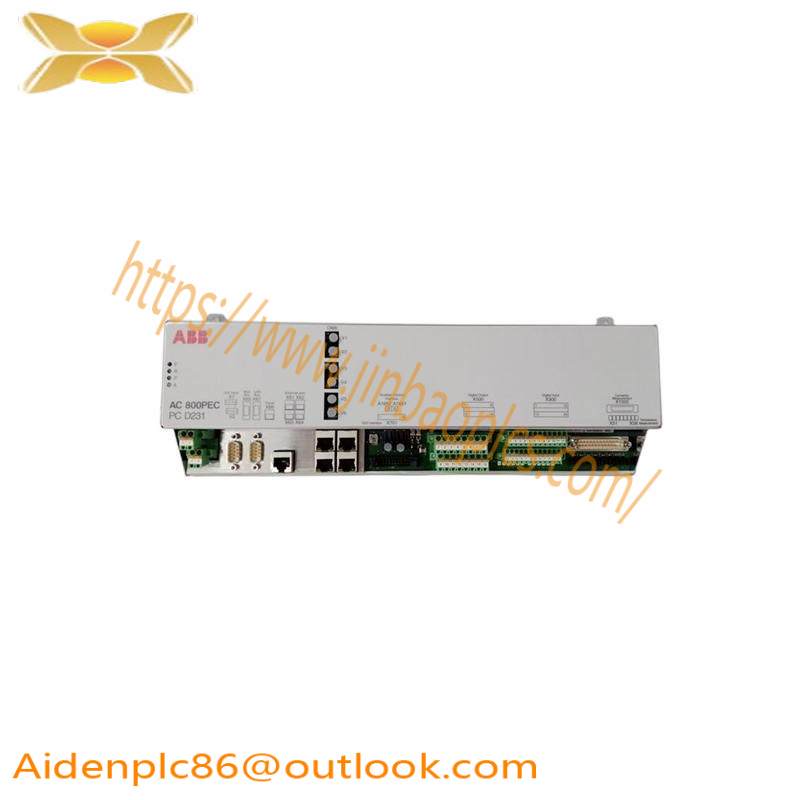
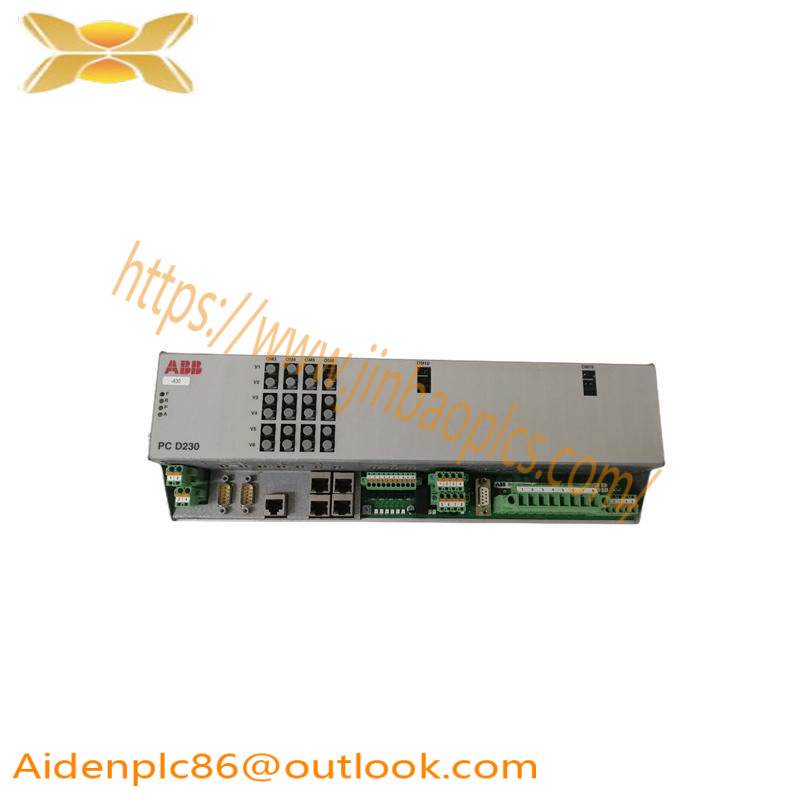
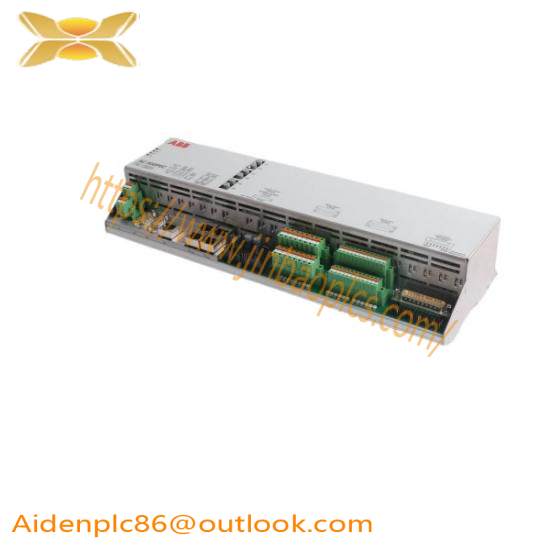
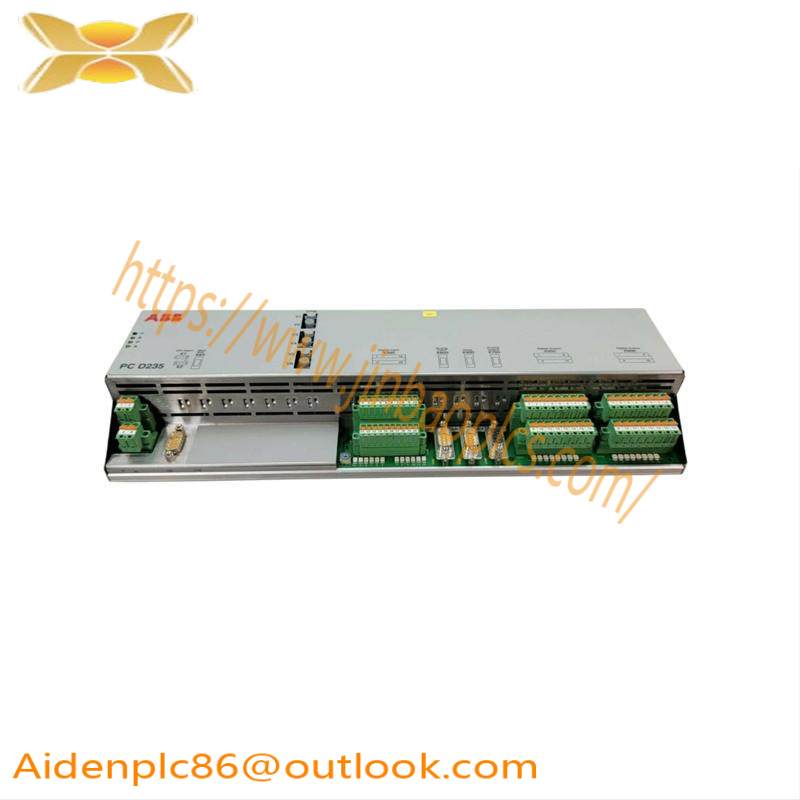
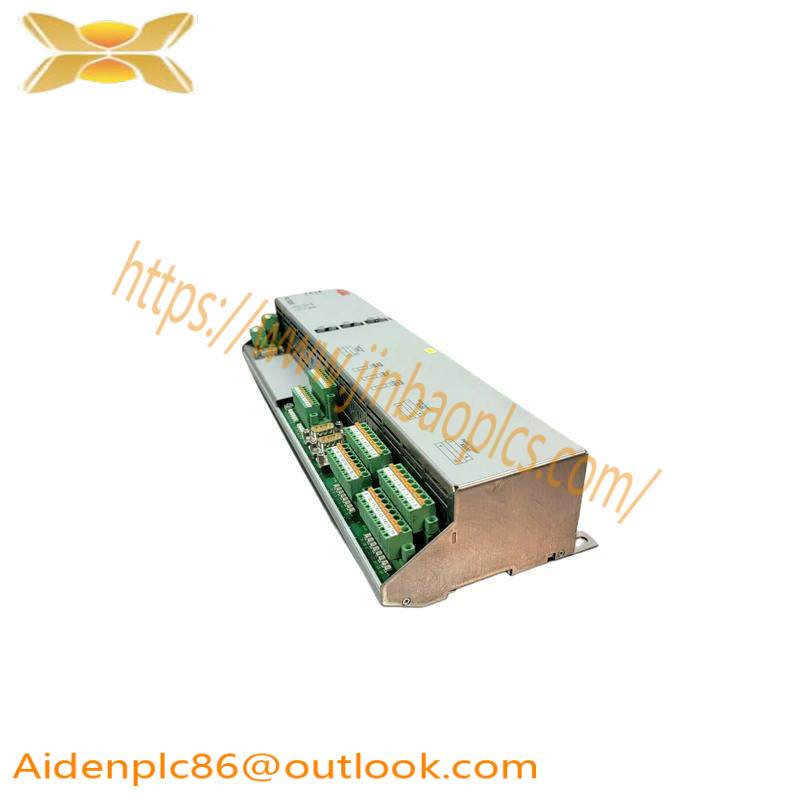
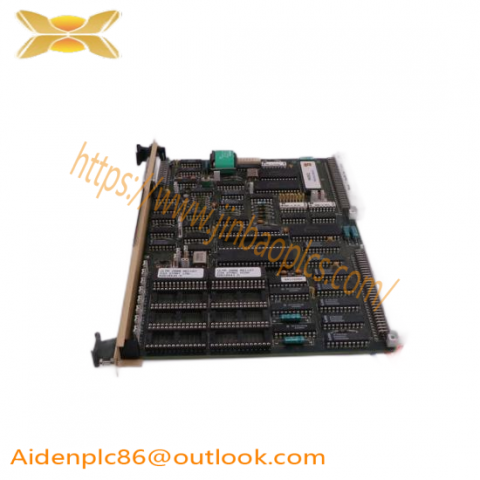
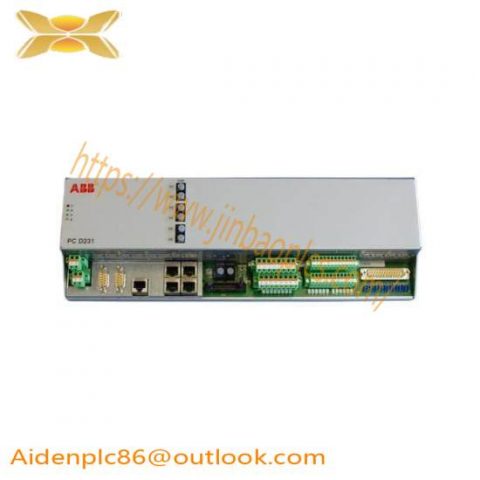
Module Positioning
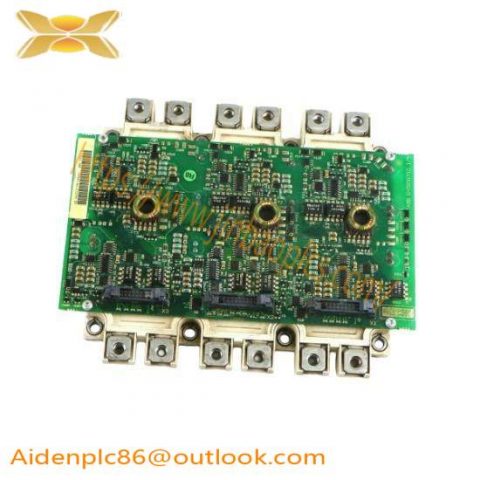
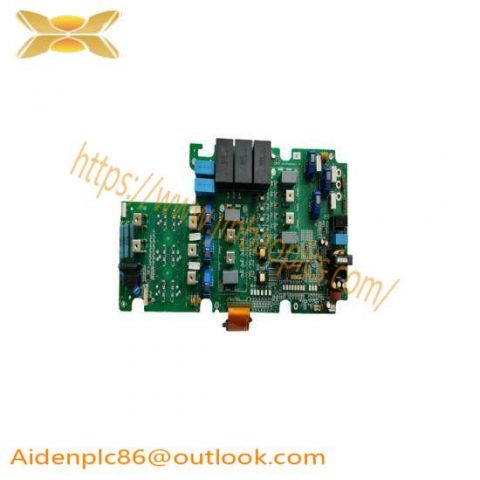
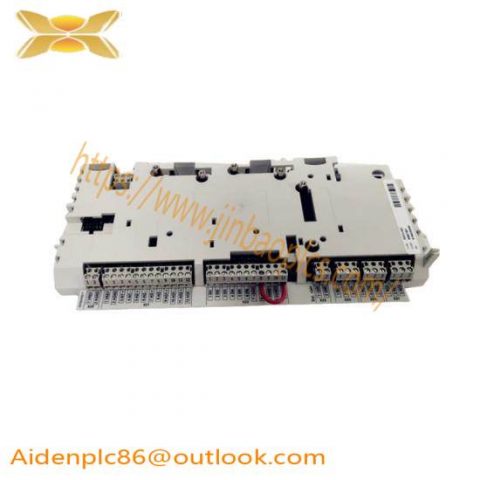
ABB 3BHE041343R0102 (PCD530A102) is a static excitation control module in the UNITROL series, designed for synchronous generators. It uses semiconductor devices (such as thyristors) to achieve precise regulation of excitation current, replacing traditional mechanical rotating exciters.
2. Core functions
Excitation control:
Maintain generator voltage stability and support reactive power regulation.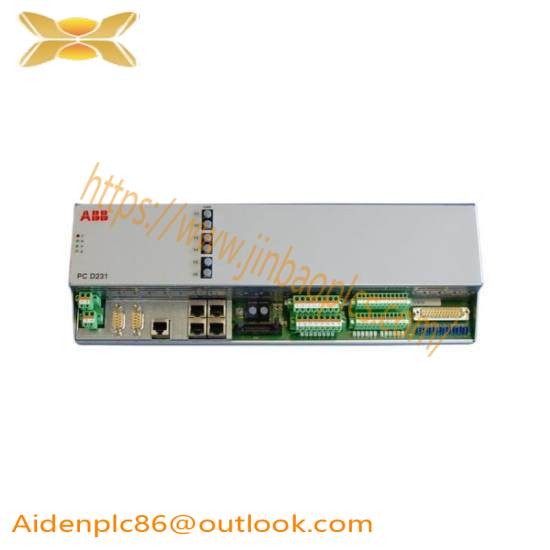
Adjust the thyristor conduction angle through the PID controller to achieve voltage closed-loop control (AVR mode).
Digital output and monitoring:
Provide control signal drive equipment and monitor parameters such as temperature, pressure, and flow in real time.
Support automated control logic and integrate equipment operation to improve efficiency.
Protection mechanism:
Rotor overvoltage protection: The BOD board detects overvoltage, triggers the jumper to conduct, and consumes energy in the demagnetization resistor.
Demagnetization function: Inverter demagnetization during normal shutdown, and quickly cuts off the excitation current during accident shutdown.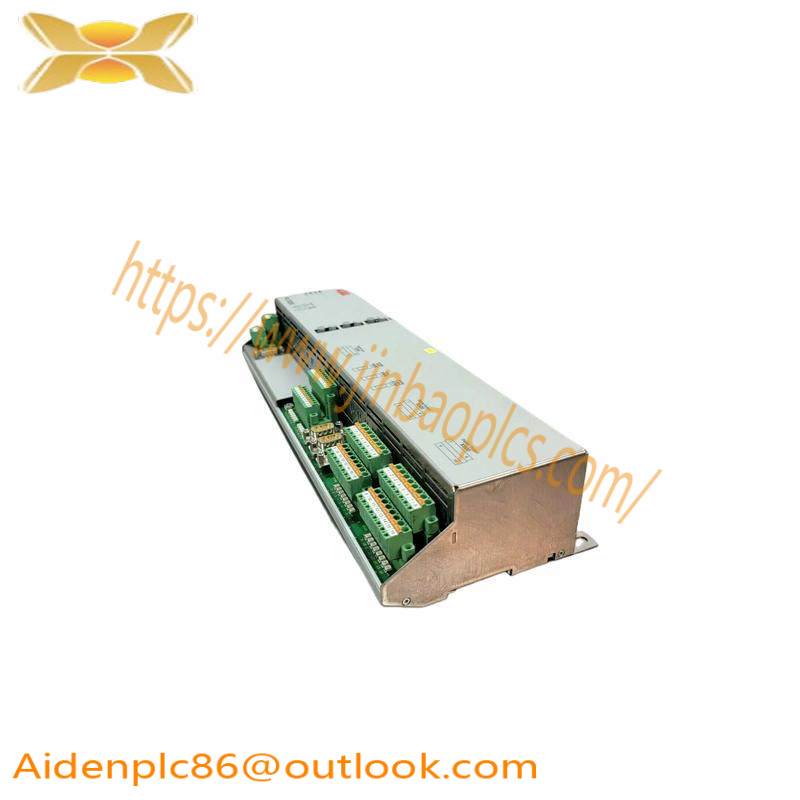
2. Working principle of static excitation system
1. Start-up phase
The initial excitation current is provided by external excitation power supply, so that the generator voltage is built to 10% of the rated value.
Switch to the machine-end excitation transformer power supply, and the rectifier bridge is put into normal operation.
2. Normal operation
AVR regulation: adjust the thyristor conduction angle according to the set voltage value to control the excitation current.
Protection logic:
V/Hz limit: prevent excessive voltage at low frequency and protect the core flux density.
Stator current limit: avoid generator overload and limit reactive current component.
3. Special working condition processing
Strong excitation and cooling: short-term strong excitation is allowed in case of fault, and the excitation current is limited after the accumulated heat exceeds the threshold.
Power cabinet failure: limit the output current when a single cabinet fails, and maintain rated load operation when two cabinets fail.
3. Comparison between static excitation and dynamic excitation
CharacteristicsStatic excitation (3BHE041343R0102)Dynamic excitation
Technical basisSemiconductor devices (thyristors)Rotary excitation machine
Response speedMillisecond level, fast adjustment seconds, mechanical delay
High reliability (no mechanical wear)Low (rotating parts need maintenance)
Low maintenance cost
Applicable scenariosPower generation, industrial automation, renewable energyTraditional power plants, backup systems
4. Typical application cases
1. Power industry
Yangxi Power Plant: UNITROL 6800 system is applied to 600MW units to achieve efficient excitation control.
Shenzhen Mawan Power Plant: Static excitation improves the response speed of the power grid and supports static excitation.
Failure case of a power plant: Overexcitation tripped due to slow melting of the TV primary fuse, exposing the risk of single-channel operation, which was later solved by replacing spare parts and protocol optimization.
2. Industrial Automation
Electrolysis process: Support IDC current step compensation and power factor correction to improve copper/zinc electrolysis efficiency.
Railway transportation: Drive motor control, such as railway traction system, to ensure stable operation.
3. Renewable energy integration
Wind farm: Maintain voltage stability of wind turbines and adapt to fluctuating inputs.
Microgrid: Realize voltage and reactive power regulation in distributed energy systems to improve grid resilience.
V. Troubleshooting and maintenance guide
1. Common problems and solutions
Analog input abnormality:
Check on-site wiring contact and confirm channel configuration (such as voltage range, resolution).
Communication failure:
Verify protocol settings (such as Modbus address, baud rate), check physical interface (RJ45/RS485).
Excitation instability:
Calibrate PID parameters and check power module temperature sensor.
2. Maintenance tools and processes
Remote diagnosis: Adjust parameters through ABB CMT tool or handheld programmer (SPA).
Spare parts replacement:
COB and MUB boards support hot-swap, and the mean time to repair (MTTR) is less than 2 hours.
Check TV primary fuses regularly and replace aging parts (such as RN4-20 0.5A fuses).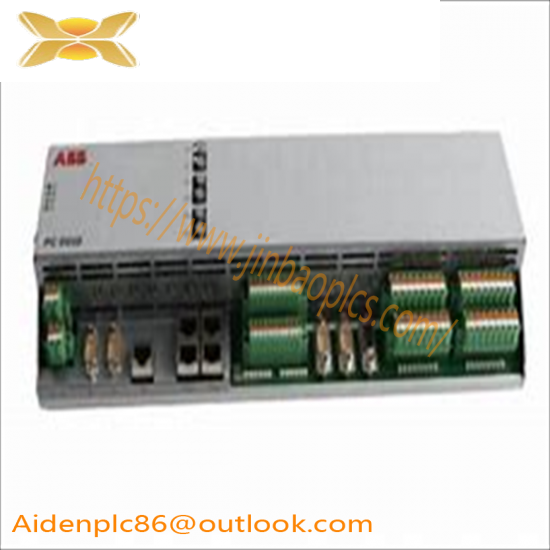
Sixth, summary
ABB 3BHE041343R0102 static excitation controller is widely used in the power and industrial fields due to its high-precision control, modular design and high reliability. Domestic replacement solutions provide an economical option for upgrading old systems, but attention should be paid to long-term reliability verification. It is recommended that users combine official technical support with regular maintenance to ensure stable operation of the system.
Related product recommendations:
ABB 3BHB005243R0105
ABB NTAC-02 58967441E
ABB DO810 3BSE008510R1
ABB UAC389 HIEE410506P104
ABB CT-APS.22 1SVR630180R3300
ABB UFC921A 3BHE024856P201
ABB TU830V1 3BSE013234R1
ABB LT2005-S/SP19
ABB XVC769AE101 3BHE006373R0101
3BHE006373R0101
ABB XVC769AE101 3BHE006373R0101
More…
There are no reviews yet.